
Not Good Enough
Misadventures on the climate trail

I pressed ‘Send’ then thought I heard a distant subscriber (justifiably!?) saying, “Not another moan about local politics! Can’t the guy lighten up? Go on a cruise or join a golf club or something?” I have spent too much time trying to get our local council to care about the climate crisis – and do something about it. The article below was published in the three community newspapers in our district. In response, one elected councillor characterised me as an alarmist (even a fearmonger and a prophet of doom) and challenged me to a debate.
On the climate issue, our elected officials have not responded to science, facts, reason or heart. It must be terribly frustrating for council’s professional staff, who surely understand the need for action, to have to work with decision-makers so limited in their thinking.
I am sending council’s climate strategy to Lawyers for Climate Action NZ and the Environmental Law Initiative. They’re busy at the moment suing the National Government for their poor performance on the climate front and in another climate case against Fonterra, Z Energy and other corporates. When they’re done with them, I hope they can go after our local council. Should be an easy target and a heads-up for other laggard councils.
The climate crisis and our district
Our mayor and councillors have spoken. Matamata-Piako District Council’s climate policy will focus on resilience. We will adapt and get ready for the impacts of a changing climate, but we won’t try to reduce those impacts.
The planet is enduring unprecedentedly regular and severe storms, floods and fires, with warming oceans, melting ice and rising temperatures (just as scientists predicted) and New Zealand is copping its share.
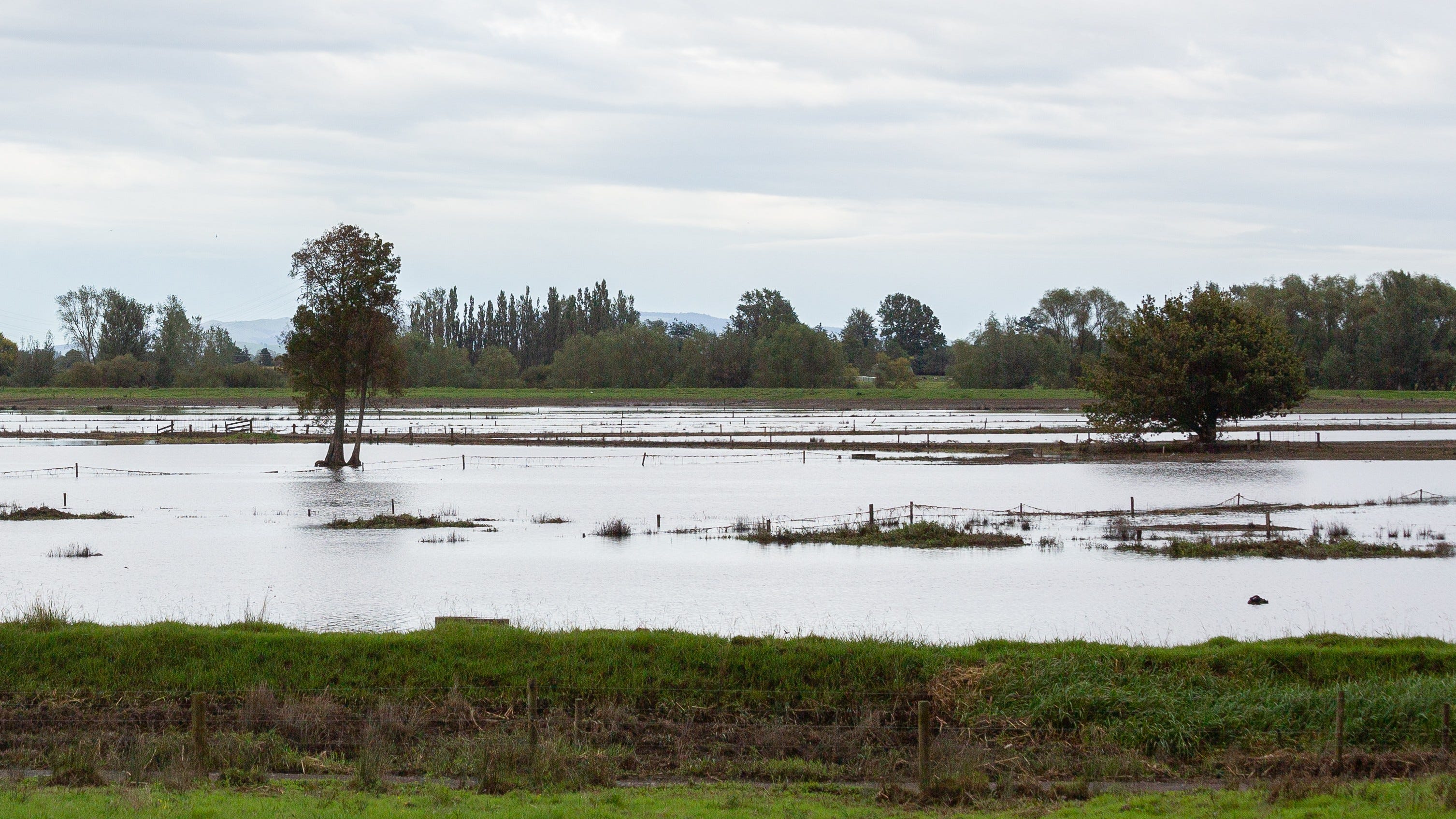
Other councils, nearby and around the country, are setting targets to reduce greenhouse gas emissions and stepping up to be part of the solution. But not our council.
On numerous occasions over recent years, I have encouraged the council to get a scientist in for a workshop with elected members, the aim being a common understanding of climate issues grounded in science. I also suggested a session with councillors and staff from nearby progressive councils to tell us about their mitigation efforts and the benefits they are seeing. No workshops like these have ever been conducted.
I wrote to the mayor and councillors after the October election encouraging them to lift their game on the climate. Not one of them replied. Nor did the two new elected members in my ward when I followed up saying I was happy to provide more information or even meet with them to discuss.
Now I know why. Council staff working on the climate strategy tell me elected members have made it clear that developing a deeper or shared understanding of climate science and the human impacts of warming is not a focus of the council’s work.
Morrinsville councillor Bruce Dewhurst has written publicly that while our weather is warming at present, he believes it is “a natural cycle, not man made, nor cow made through their burping” (that is, methane from bovine digestion).
It’s worth noting the scientific facts here: Methane is a potent greenhouse gas (GHG) causing global warming. Nearly half of New Zealand’s GHG emissions come from agriculture, almost all from livestock farming. Our second highest GHG emission category is transportation.
Other councillors must share Mr Dewhurst’s views – or hold views close to them – if they are prepared to accept the climate strategy in its current form. Do any councillors feel it is not strong enough? If so, please write a letter to this paper to tell us where you stand.
With four other concerned residents, I attended the most recent climate workshop for the mayor and councillors. The elected members were divided into three groups to consider questions that could help improve the strategy. One of the residents later told me they were alarmed by the laughter and chatter among the councillors discussing such a grave issue for district councils. An issue scientists and doctors have called a ‘crisis’ and an ‘existential threat’.
Jurisdictions around the world are turning to the citizens’ assembly format to discuss and decide important matters, with climate change commonly the focus. A thorough process is followed to ensure the assembly fairly represents the community. The next step is input from experts so assembly members are in a position to make informed decisions.
Here at home, in a survey conducted by council, 34% of people said it was ‘important’ council take a leadership role in climate change response and 30% said it was ‘very important’. Our elected members are clearly out of step with the views and desires of the community. Their willingness to make decisions without being fully informed – which does not happen in citizens’ assemblies – is equally disconcerting.
Short of a citizens’ assembly, we need our elected members to park their opinions at the door. Decisions on climate action must be based on science and facts, and respond to the desires of the community.
Young residents of the district and future generations deserve nothing less.
Gord Stewart is a district resident. He is a sustainability consultant with a background in environmental management and economics.
“History affords too little evidence that anyone’s individual protest is of any use. Protest that endures, I think, is moved by a hope far more modest than that of public success: namely, the hope of preserving qualities in one’s own heart and spirit that would be destroyed by acquiescence.” – Wendell Berry in ‘A Poem of Difficult Hope’ from his book What Are People For? Essays.
And thanks, too, to Craig and Jen for your thoughtful comments.
Thanks Kathy and Bill for the comments below and to a number of others who have contacted me directly. I really appreciate your encouragement and support.
Cheers, Gord