
Saving Nature
Environmental Defence Society: On the case for over 50 years

In 1971, ‘progress’ was everything for the government and councils. The natural world (the land, rivers, the coast) was simply a resource to be exploited.
‘Not on’ said a small band of lawyers, scientists, students and other concerned citizens. What was needed was an organisation dedicated to legal action and public education and support – one that would give a voice to nature. That organisation – the Environmental Defence Society (EDS) – came to life on April 22 that year.
How to describe EDS? Passionate, persistent, professional. EDS picks issues worth fighting and sticks with them to the bitter end.
“EDS combines staunch advocacy with relationship building to deliver lasting environmental outcomes… It’s a highly respected and influential independent voice for environmental protection.” – Dame Sian Elias, former Chief Justice
The Early Days
Early efforts included holding the Huntly Borough Council to account for its discharge of raw sewage into the Waikato River, submissions on the Clean Air Bill (passed as an Act in 1972) and opposition to use of the pesticide 2,4,5- T.
Aerial spraying was a common way to apply 2,4,5- T to rural land. EDS took on the Agricultural Chemicals Board and pursued legal action as far as the High Court. It was 14 years before use of this persistent, highly leachable toxin was banned in New Zealand in 1987.
EDS research and advocacy work have helped modernise mining law and strengthen environmental law more generally.
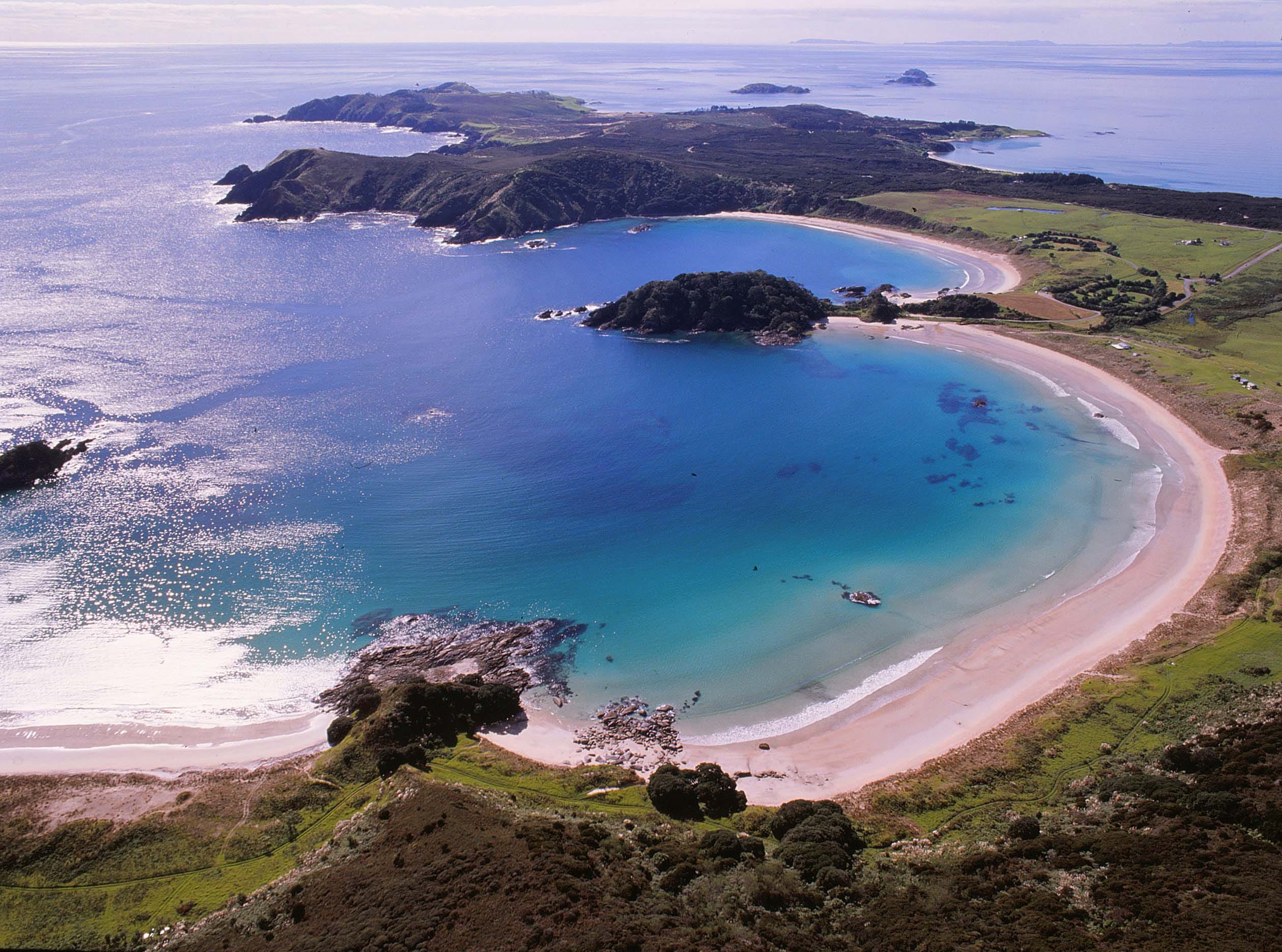
Coastal protection against inappropriate and unsightly development was of particular interest to EDS early on. In 1978, the group opposed a planned Gold Coast-style development on the stunningly beautiful and remote Karikari Peninsula in Northland (an area of great significance to Ngāti Kahu). It would be a gold-medal performance in staying power for EDS and a very high bar set, indeed, by the quality of pro bono legal work provided. The developers called it quits in 1989.
With volunteer burnout and funding challenges, EDS went quiet 17 years after its launch. A decade later, it came back to life, formally reconstituted 11 November 1999. Plans for development at Pakiri Beach, a 20km sweeping stretch of beauty, on the east coast 100 kilometres north of Auckland was a driving force for the group’s resurrection.
The Whole Story
Environmental Defenders: Fighting for our natural world
By Raewyn Peart, Bateman Books, 2024, Hardcover, 384 pages
The life and times of EDS are covered in this beautiful and inspiring book. It’s worth it for the photographs alone, but the stories tell of the hard work and care for our land and waters that are EDS hallmarks. The book serves to chronicle key environmental events in New Zealand over half a century.
The New Era
With new resolve, EDS broadened its efforts. Stalwarts, Gary Taylor (now chairman and chief executive) and Raewyn Peart (now policy director) were joined by Fiona Driver, general manager for a time and long-time events manager, as a ‘tight three’ group spearheading EDS efforts. Over the years, talented young lawyers have cut their teeth as environmental defenders with EDS and gone on to work with firms around the country.
Readers who live in New Zealand and follow the action will know of EDS’s heroic work on a whole host of issues. These include biodiversity protection in the Mackenzie Basin, proper management of salmon farming in the Marlborough Sounds and beyond, support for the Mountain Landing development in the Bay of Islands while fighting for the public at New Chums Beach, plus action on our polluted rivers and efforts to better manage the sea around us, to name just a few.
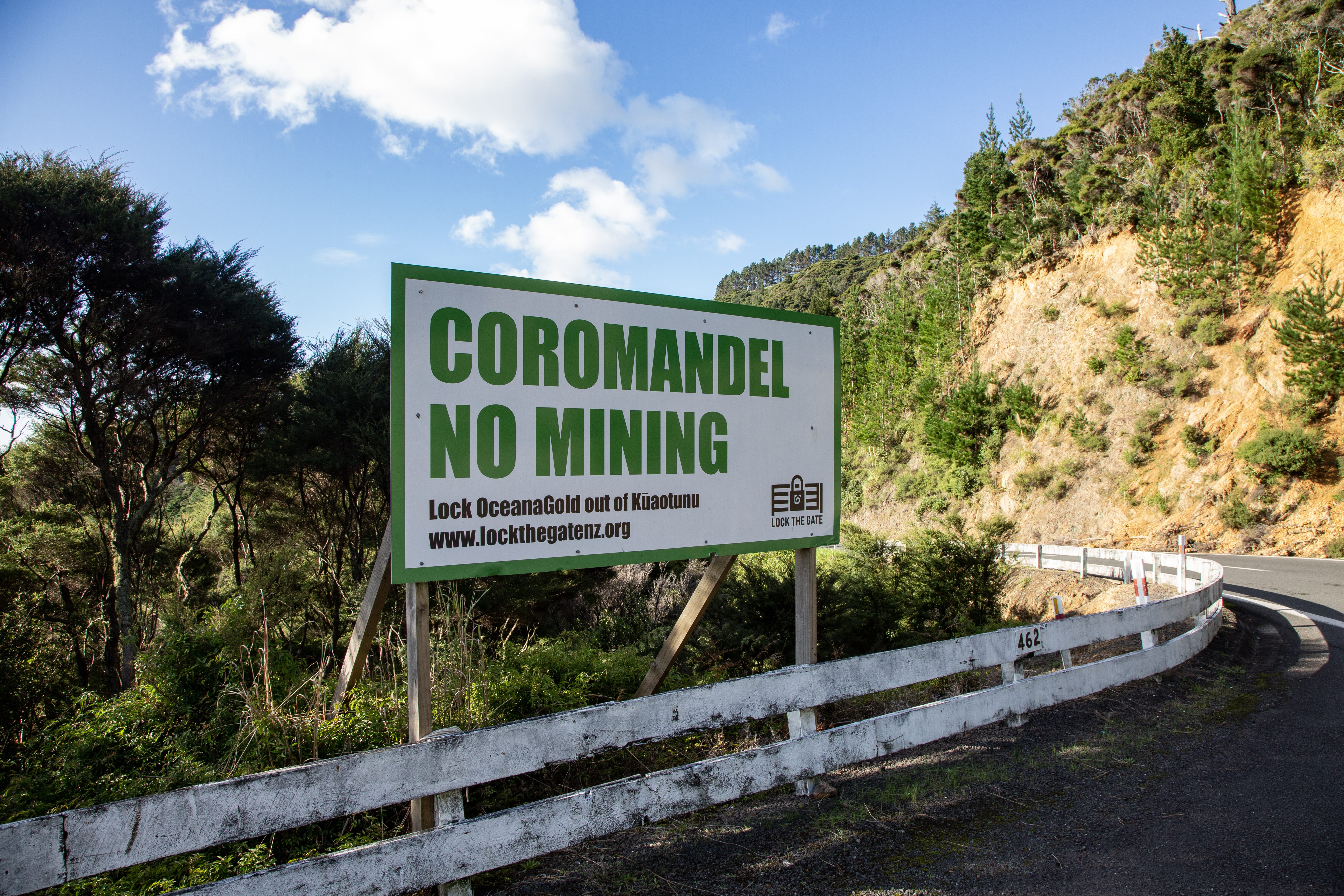
Attention to reducing greenhouse gas emissions led to their Climate Change & Business Conference, now an annual event. Conference discussions and other EDS actions contributed to new climate legislation as well as creation of the independent Climate Change Commission.
The work continues; the challenges are ever greater (for example).
I asked Gary Taylor about our current Coalition Government. Via email, Gary said: “They have the worst track-record on environment of any government I’ve worked with (since 1980). It’s been a relentless attack on our natural world with no signs of it abating. What’s especially disappointing is that the National Party, which has always had an environmental conscience, has gone completely rogue under the malign influence of the minor parties.”
Raewyn Peart, looking ahead in the final chapter of Environmental Defenders: “EDS and others will need to be in the thick of it over the coming decades, bringing a reasoned voice to the policy-making table on behalf of nature and continuing to hold decision-makers to account through the courts.”
Environmental defenders of the future take note.
Gord Stewart is a sustainability consultant with a background in environmental management and economics.
Karikari Peninsula revisited: In 1999, new owners received consent for a golf complex, lodge, vineyard and 384 accommodation units. EDS and Ngāti Kahu managed to get the accommodation scaled back to 14 villas and a modest lodge. The property was sold in 2013 to Chinese investors interested in further development for high-end tourism. As EDS says, it remains a watching brief.
Oher organisations doing similar good work: Environmental Defenders Office in Australia; Ecojustice in Canada; ClientEarth based in the UK also works internationally; Earthjustice in the US and the Natural Resources Defense Council, an international advocacy group based in the US
Inspiring story Gord. Grateful for the work of EDS!!